
The Blood Test Revolutionizing Cancer Diagnosis
A simple blood draw capable of detecting tumors, monitoring treatments, and predicting relapses. This is how the technique transforming precision oncology works.
What is a Liquid Biopsy?
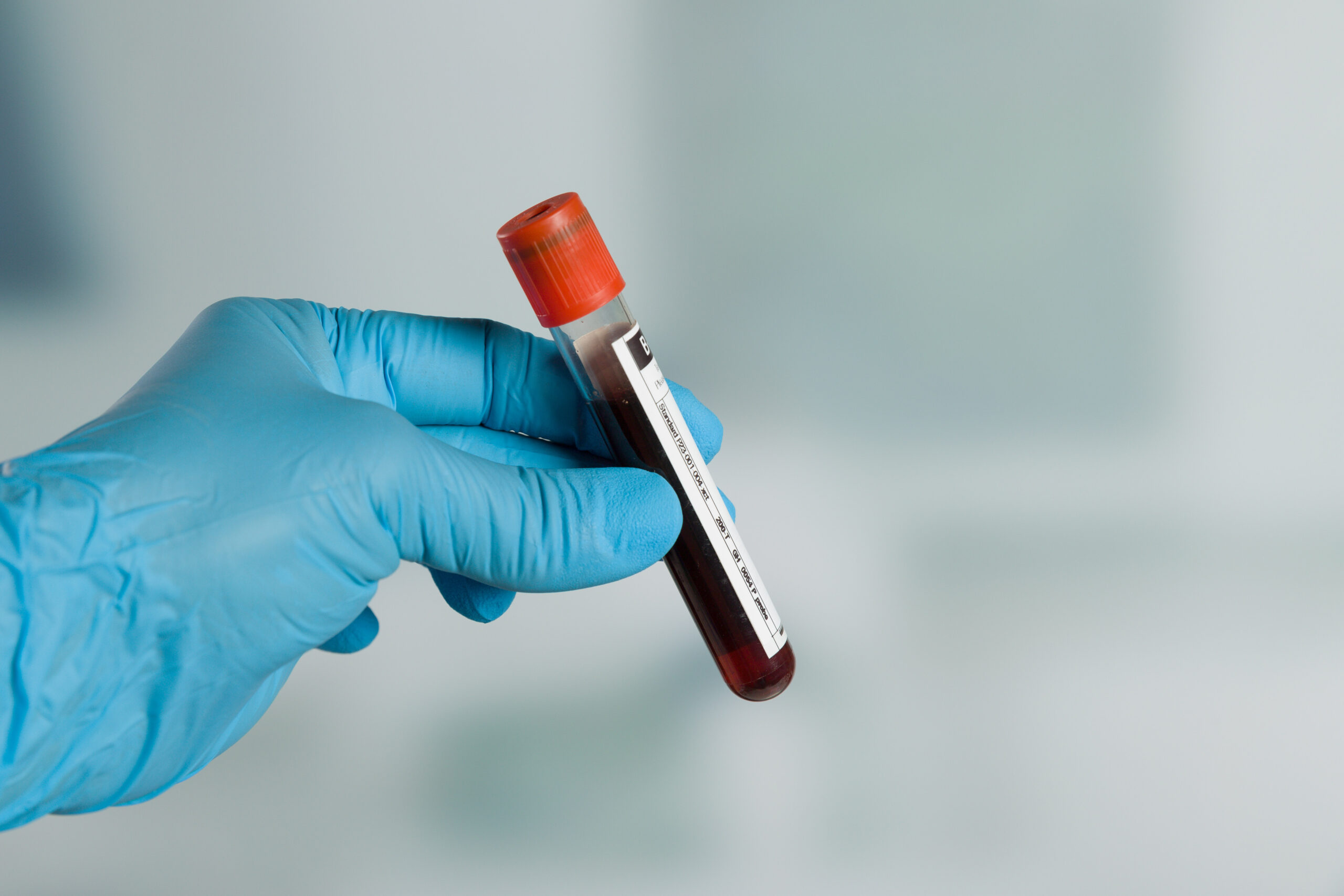
A liquid biopsy is an analytical test performed on a sample of body fluid—primarily blood—that allows for the detection and characterization of circulating tumor material without the need to remove tissue.
Unlike a conventional or «solid» biopsy, which requires extracting a fragment of the tumor through surgery, needles, or endoscopy, a liquid biopsy is performed using a routine blood draw. Within a few days, the results provide genetic and molecular information about the tumor that was previously impossible to obtain so easily.
The term was coined in contrast to solid tissue biopsies and has gained prominence in oncology because tumors constantly release molecular debris into the bloodstream: DNA fragments, whole cells, vesicles, and proteins that act as «molecular fingerprints» of the cancer.
In addition to blood, liquid biopsies can be performed on other biological fluids such as urine, saliva, cerebrospinal fluid, pleural fluid, or bile, although blood remains the most clinically validated standard.
How Does it Work? The Step-by-Step Process
The procedure is surprisingly simple for the patient; the complexity lies in the laboratory analysis:
01 – Sample Collection: A small amount of blood is drawn from the arm (between 10 and 20 ml). No anesthesia, hospitalization, or special preparation is required.
02 – Laboratory Processing: The blood plasma is separated via centrifugation, and the biomarkers of interest (ctDNA, CTCs, exosomes, etc.) are isolated.
03 – Molecular Analysis: Next-Generation Sequencing (NGS), digital PCR, or epigenetic analysis technologies identify mutations, gene fusions, and copy number alterations.
04 – Clinical Result: Within 2–5 business days, the oncologist receives a complete molecular profile of the tumor to make informed therapeutic decisions.
One of the most significant advantages of this process is that it can be repeated as many times as necessary over time, allowing for the continuous and non-invasive monitoring of tumor evolution.
What Does it Analyze? The Key Biomarkers
The clinical value of a liquid biopsy depends directly on which molecular markers are sought in the sample. The main ones are:
ctDNA – Circulating Tumor DNA: DNA fragments released by dying tumor cells. It is the most studied biomarker and the one that offers the most information regarding specific tumor mutations.
CTCs – Circulating Tumor Cells: Whole cancer cells that have detached from the primary tumor and circulate in the blood. Their presence is linked to the risk of metastasis.
cfDNA – Cell-Free DNA: DNA circulating freely in the plasma, which includes both tumor fragments and fragments from healthy cells. Its epigenetic analysis helps identify the type of origin tissue.
Exosomes / EVs – Extracellular Vesicles: Small vesicles released by tumor cells containing proteins, RNA, and DNA. They are an emerging source of biomarkers with great diagnostic potential.
miRNA – Circulating microRNA: Small non-coding RNA molecules that regulate gene expression. Certain miRNA patterns are associated with specific tumor types.
Proteins / Metabolites: Proteomic biomarkers and metabolites released by tumor cells that can indicate the biological activity of the cancer and its response to treatment.
Current Clinical Applications: What is it Actually For?
Early Cancer Detection: The most promising application—still under development—is the detection of cancer in asymptomatic individuals before the tumor is visible on imaging tests. A liquid biopsy could detect a tumor before it has grown enough to show symptoms, drastically improving the prognosis.
Molecular Characterization of the Tumor: It allows for the identification of specific genetic mutations in each patient’s cancer (such as mutations in EGFR, KRAS, BRAF, or ALK), guiding the choice of the most effective targeted therapy. This is fundamental to precision medicine and precision oncology.
Monitoring Treatment Response: By repeating the analysis during treatment, the oncologist can determine if the therapy is effective by observing if circulating tumor DNA levels decrease. It is a «real-time molecular snapshot» of the tumor’s status.
Detection of Treatment Resistance: One of the most valuable uses in current practice: liquid biopsy can identify mutations that have acquired resistance to previous therapies, allowing the therapeutic strategy to be adapted before the tumor clinically progresses.
Detection of Minimal Residual Disease (MRD): Following surgery or treatment, a liquid biopsy can detect if residual tumor cells remain that are not visible on imaging tests, anticipating a possible relapse weeks or months in advance.
The liquid biopsy is not just an alternative to the needle; it is an open window into a tumor biology that evolves with the patient. At OncoDynamics, we integrate this technology with advanced bioinformatic analysis so that every patient receives the exact treatment their body needs.
Visit our services: https://oncodynamics.bio/en-services/