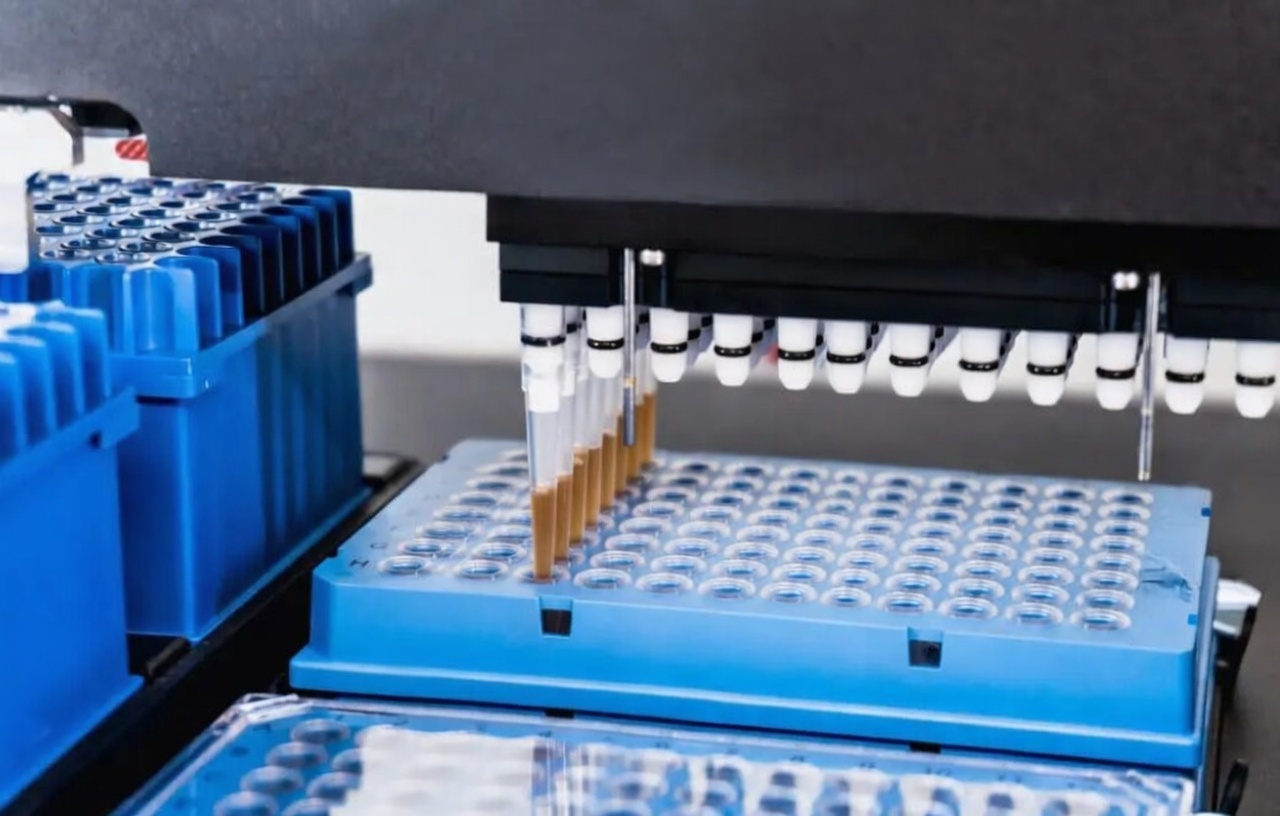
In the field of oncology, precision medicine has transformed the way we approach cancer. One of the most powerful tools in this arsenal is NGS (Next-Generation Sequencing) panels, which allow for a detailed analysis of genetic alterations within tumors. At OncoDynamics, we specialize in leveraging these technologies to offer advanced molecular diagnostics that guide personalized treatments. In this article, we will explore what these panels are, how they are applied in tissue biopsies, and how our tissue biopsy tests integrate this innovation to improve clinical outcomes.
What are NGS sequencing panels?
NGS sequencing panels are targeted genomic tests that simultaneously analyze a selected set of genes relevant to cancer. Unlike whole-genome sequencing, which can be costly and time-consuming, these panels focus on specific regions associated with tumor development, progression, or therapeutic response. Using NGS technology, millions of DNA or RNA reads are generated in parallel, allowing for the detection of alterations such as point mutations (SNVs), insertions/deletions (indels), gene amplifications, gene fusions (e.g., ALK or ROS1), and copy number variations (CNVs).
These panels are especially valuable because they identify «actionable» mutations—those that can be targeted with specific therapies, such as EGFR inhibitors in lung cancer or PARP inhibitors in tumors with BRCA mutations. Additionally, they can evaluate genomic signatures such as Tumor Mutational Burden (TMB) or Microsatellite Instability (MSI), which are key indicators for immunotherapy.
NGS in Tissue Biopsies: a direct and precise approach
NGS sequencing is commonly applied to samples obtained from tumor tissue biopsies, which can be fresh or Formalin-Fixed Paraffin-Embedded (FFPE). This method allows for a direct analysis of the solid tumor, capturing the genetic heterogeneity that characterizes many cancers. The typical process includes:
Sample Collection: Tumor tissue is extracted via biopsy, ensuring a sufficient amount of cancer cells for analysis.
Extraction and Preparation: DNA or RNA is isolated and enriched for the regions of interest using techniques such as hybrid capture or amplified PCR.
Sequencing: The NGS platform generates data with high depth of coverage, minimizing errors and detecting rare variants.
Bioinformatic Analysis: Reads are aligned, variants are identified, and filtered by clinical relevance.
Interpretation and Reporting: Results are translated into therapeutic or prognostic recommendations, or for clinical trial eligibility.
Compared to liquid biopsies (based on circulating ctDNA in the blood), tissue biopsies offer a more comprehensive view of the primary or metastatic tumor, although they require an invasive procedure. However, tissue NGS is ideal for initial diagnostic cases where specific genetic alterations must be confirmed to plan treatment. For instance, in advanced cancers such as breast, colon, or lung, these panels reveal resistance to standard therapies and open doors to personalized options.
Our Tissue Biopsy Tests at OncoDynamics
At OncoDynamics, we are committed to innovation in molecular diagnostics. Our tissue biopsy tests integrate state-of-the-art NGS sequencing panels to provide precise molecular profiles that support oncologists in selecting targeted therapies. Among our featured offerings are:
OncoProfile Advanced 500+46: An NGS panel designed to analyze over 500 genes in a single assay, offering a comprehensive genomic profile that includes TMB, MSI, SNVs, Indels, CNVs, and gene fusions to support precision personalized therapeutic decisions.
Specialized Oncological Panels: Tailored to specific types of cancer, such as our panel for metastatic colorectal cancer (mCRC), which combines NGS with ex vivo functional assays to evaluate direct responses to treatments. These panels are performed on FFPE samples, making analysis accessible even in archived biopsies.
Biomarker Integration: Our tests include the evaluation of oncological biomarkers such as BRCA1/2, EGFR, and KRAS, ensuring comprehensive coverage for immunotherapy and targeted therapies.
These tests not only detect genetic alterations but also offer insights into patient prognosis and monitoring, improving quality of life by minimizing ineffective treatments. Backed by our team of experts in genomics and oncology, we guarantee fast and actionable results, with clear reports that include recommendations based on international clinical guidelines.
Benefits and Considerations in Clinical Practice
The adoption of NGS sequencing panels in tissue biopsies has revolutionized precision oncology. Benefits include:
Treatment Personalization: Identification of targeted therapies that increase response rates by up to 30-50% in selected cases.
Early Detection of Resistance: Useful in relapses to adjust therapeutic strategies.
Economic Efficiency: By focusing on relevant genes, it reduces costs compared to broad sequencing.
Application in Clinical Trials: Facilitates patient inclusion in biomarker-based studies.
However, it is important to consider factors such as sample quality, panel coverage, and expert interpretation to avoid false positives or negatives. At OncoDynamics, we focus on precision and professional rigor to overcome these challenges.
Conclusion
NGS sequencing panels represent a fundamental pillar in the fight against cancer, especially when applied to tissue biopsies. At OncoDynamics, our tissue biopsy tests not only incorporate this advanced technology but also adapt it to the real needs of patients and physicians. If you are a healthcare professional or a patient interested in molecular diagnostic options, contact us to explore how we can support your journey toward personalized medicine.
Precision transforms lives!